
Part 1: Odisha Road Trip – Prologue
Part 2: Odisha Road Trip – Vizag (Day 1, 2, and 3)
Part 3: Odisha – Bhubaneshwar – Part 1
Part 4: Odisha – Bhubaneshwar – Part 2
Part 5
Day 7 – 19/4/2022 – Tuesday
We awoke leisurely and ate breakfast at the Hotel Pushpak. Preethi oversaw the checkout, which was ridiculously tricky and took the front desk some time to figure out. While I was loading the baggage, my daughter assisted me in cleaning the car. The bull was prepped for the next stage of his journey.
Heading to Puri…
The Pipili Art Village was our first destination. The atmosphere and the colors were vibrant. We went shopping for idols, clothes, and accessories. One can find lots of souvenirs to carry back home.

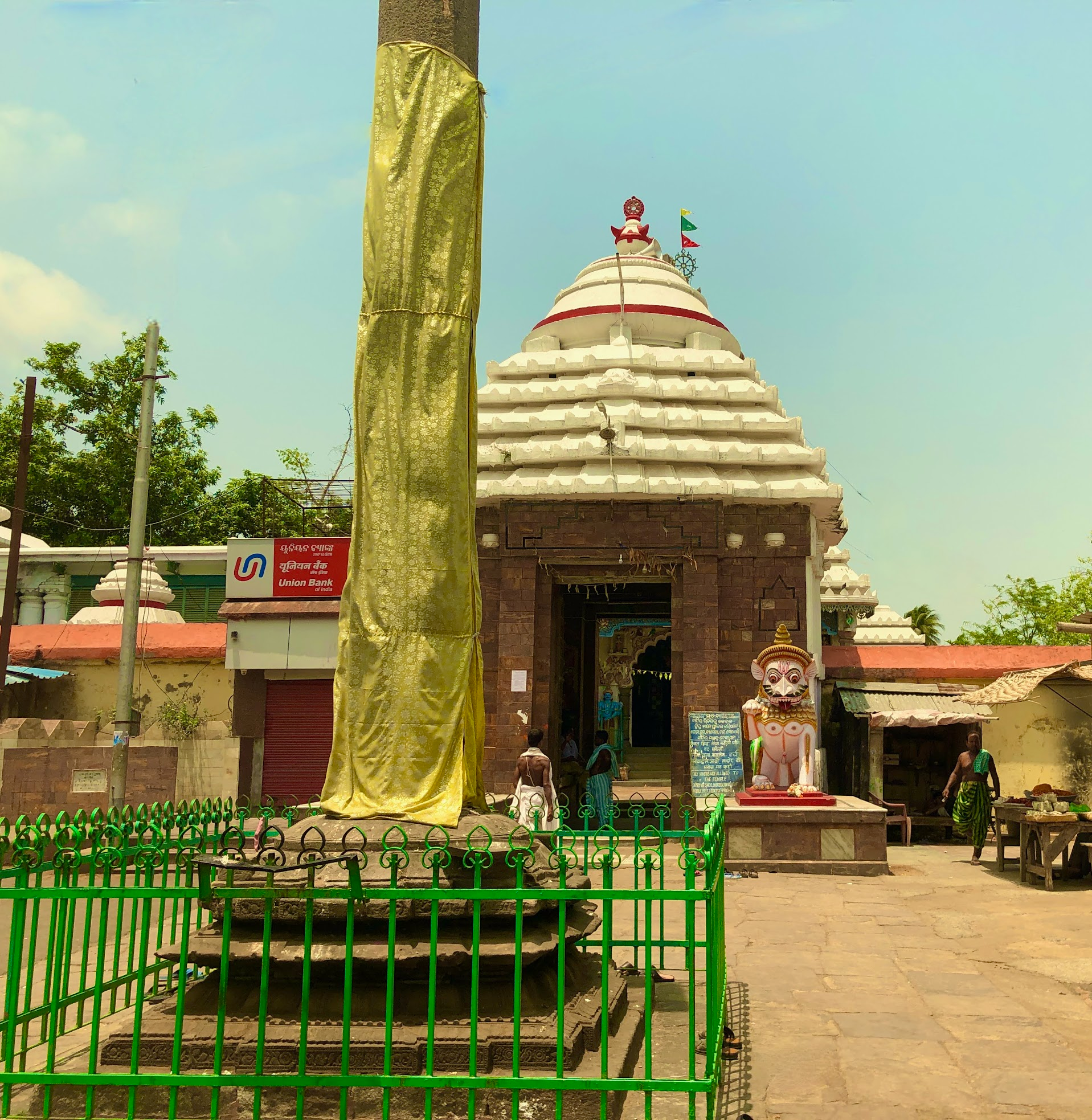
Sakshigopal Temple
According to legend,
A poor young man from the hamlet later named Sakshigopala fell in love with the local headman’s daughter. The headman, however, was opposed to the marriage of this young man and his daughter due to his economic position. The peasants, including the headman and the young man, embarked on a pilgrimage to Vrindavan.
When the local headman was ill, his neighbors abandoned him. The young man took such good care of him that he rapidly recovered and, in return, offered the young man his daughter in marriage. When they returned to Hamlet, the headman violated his word and demanded that the young man produce a witness to back up his claim.
Lord Gopala consented to come and give witness to the pledge on one condition: that the young man lead the journey and he would follow, but the young man must never look back.
The young man led the way to the settlement, walking across a sand dune. The man turned back because he couldn’t hear the Lord’s footsteps as they passed. Immediately, the Lord transformed into a stone statue rooted to the spot.
The villagers were so impressed that God himself came to support the young man’s claim that they were married off; they were later designated as the first priests of the temple erected in Lord Gopala’s honor who came to bear testimony.
The Main Gopuram


Before entering the sanctum sanctorum, you must record your Gothra and three-level forefathers in the temple’s log book. This will be retained as a testament that you visited the deity.

The reigning god is shown in a very attractive and artistic style.


We chose to travel to Puri and check into our hotel, La Platina Premium Suites. Unlike our other accommodations, this one was an apartment. As soon as we stepped in, we realized we had made a mistake. The rooms were unclean. The stay doesn’t have a reception. The helpers came in and cleaned up the room after giving the supervisor a hard enough time. The only pluses were the view and how well the air conditioning worked.


From the balcony, you can overlook the Puri beach. Also, take note of the numerous half-completed and destroyed structures. Probably due to the frequency of cyclones…?? I’m not sure.

While we were arguing with the supervisor over the bedding condition and the room, a mischievous monkey stealthily crept into our room. We were unaware at first. It inspected our luggage and caught hold of the bag containing food. My daughter became quite irritated. The bag had lassis, buttermilk, flavored milk, and other beverages. The monkey didn’t find it interesting enough and laid hands on the snack packet and was successful in running away with it. What a smart move.
We took a short break before heading to Konark. This was one of the most anticipated driving segments. The route runs next to the Bay of Bengal. A tiny calf leaped onto the road directly in front of me while I was driving at 80-85 kph. I didn’t use the horn to terrify her but instead increased my pace to drive past her before she realized. It was one of those close calls.
The section reminded me of the ECR between Chennai and Pondicherry, although there was no commercialization. This section of the trip was really picturesque, with woodlands on one side and the ocean on the other. The Ram Chandi Temple was our first stop of the evening. For the first time in the entire drive, Google Maps displayed an inaccurate destination. Nonetheless, we relied on locals for assistance in reaching the temple.
Ramachandi Temple
The Ramachandi Temple is located on the banks of the Kusabhadra River. Goddess Ramachandi is the ruling deity. Ramachandi is widely regarded as the ruling god of Konark and the most benevolent Chandi. Ramachandi Temple is one of Puri’s most well-known Saktapithas.
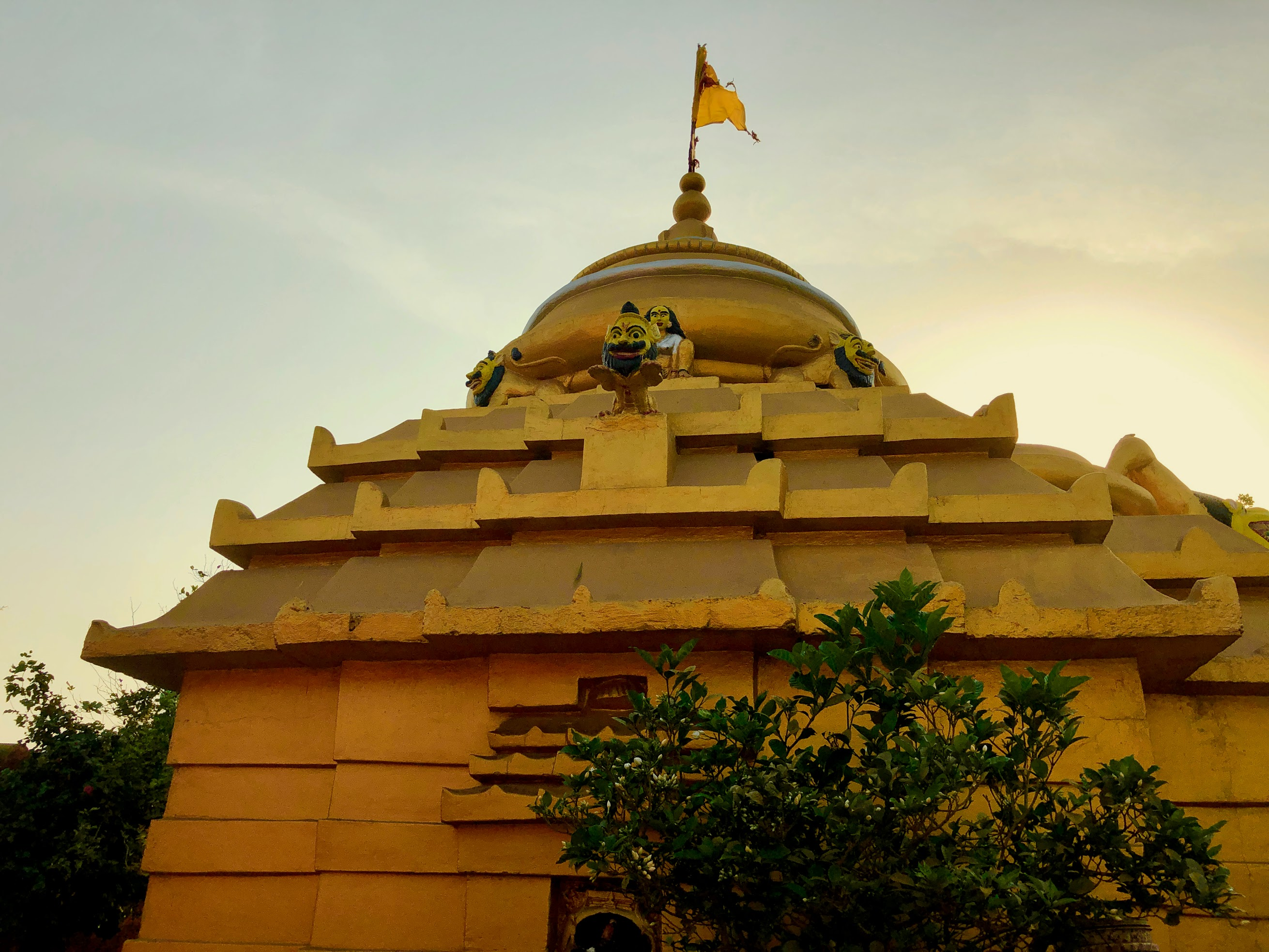
Unquestionably older than Konark’s Sun Temple


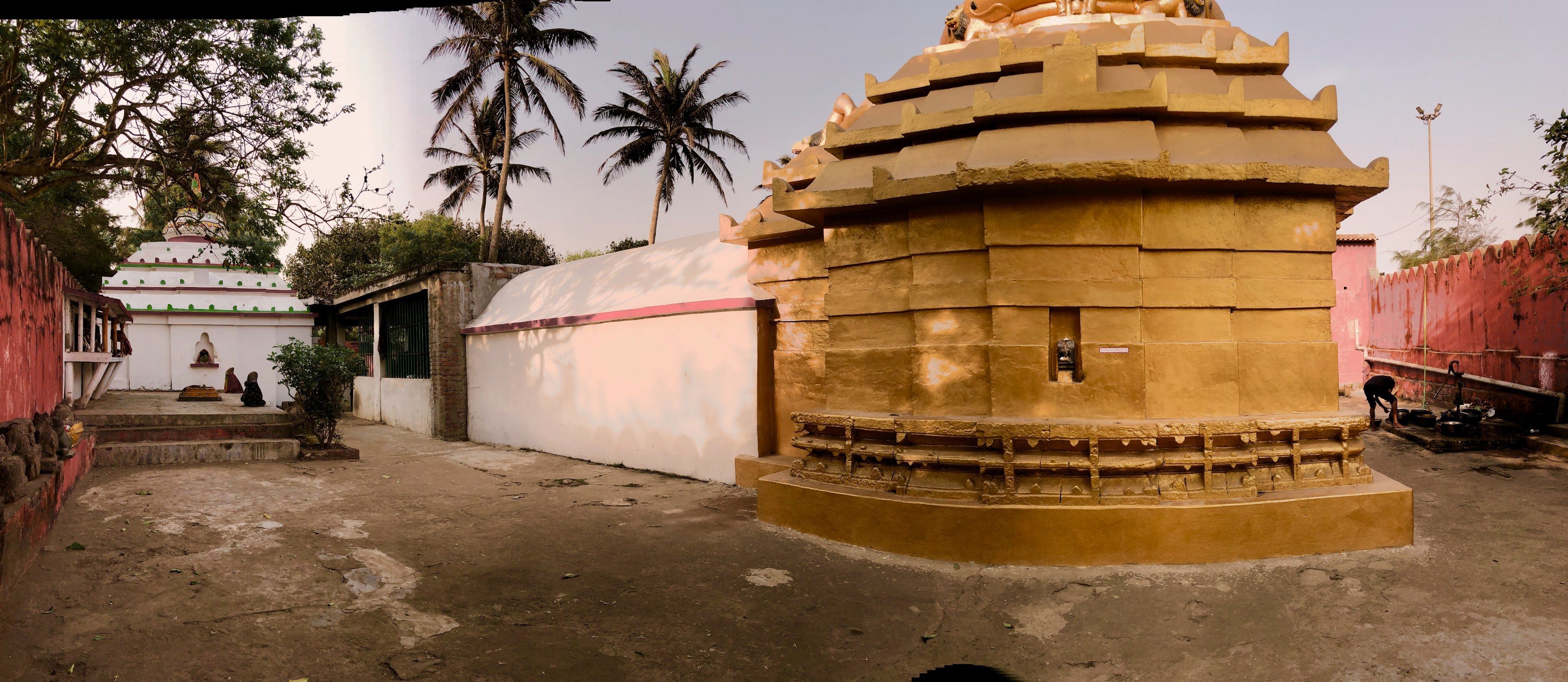
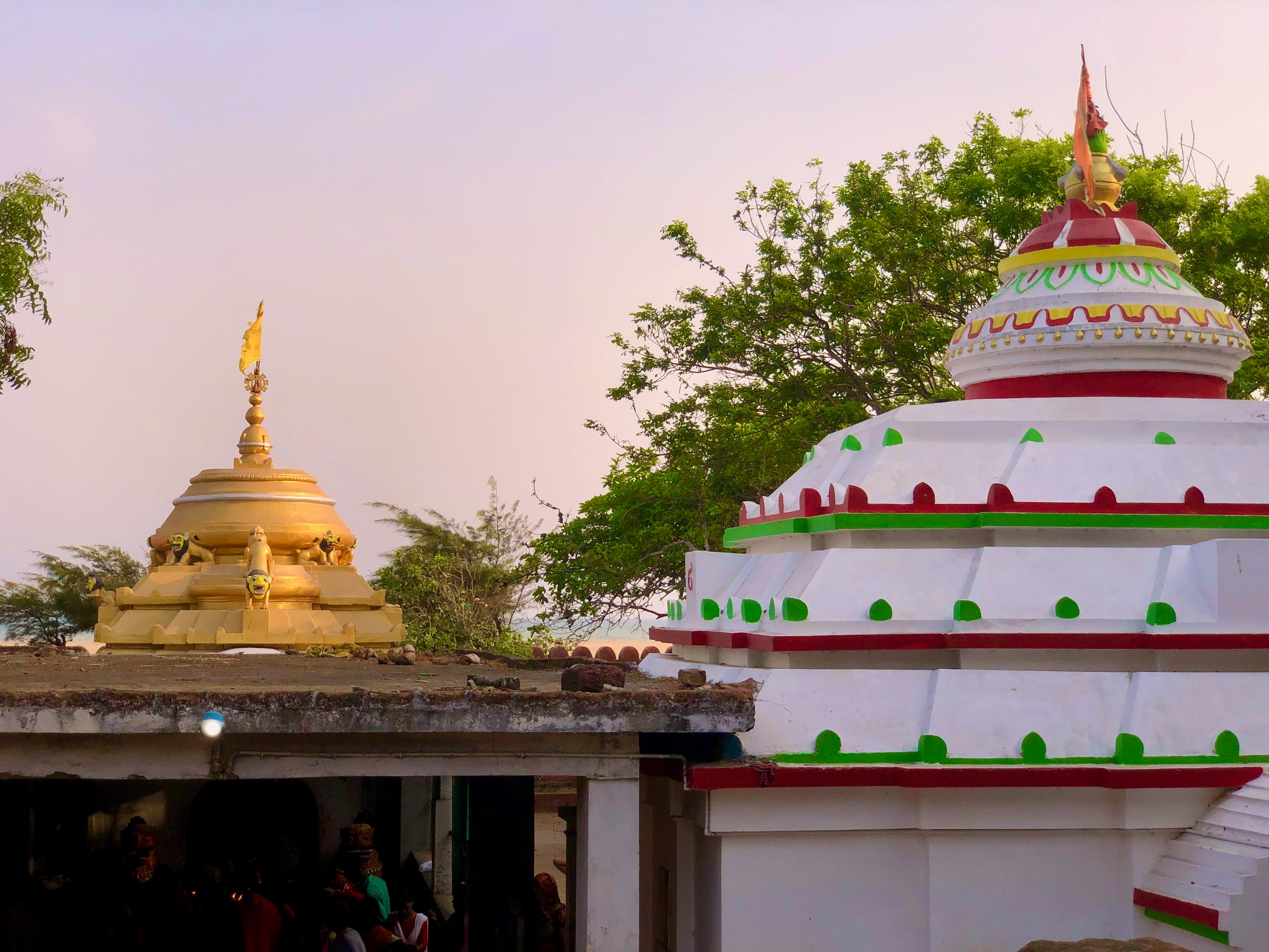
The picturesque magnificence of the location is a lovely Chandi reclining on a lotus in a little temple partially concealed by sand mounds, on the river mouth of ‘Kushabhadra’ and the limitless Bay of Bengal extended to eternity, with a thick growth of Casuarina plantation.

One of the most beautiful settings. If you look attentively, you may see the Bay of Bengal in the distance.
Konark Sun Temple
The journey from Ramchandi temple to Konark was short. Parking was provided 300m from the temple’s entrance. We were warned that we couldn’t take automobiles close. However, the police, despite the sight of their superiors, wanted a bribe to proceed. I was completely uninterested. As a result, we opted to walk the distance.
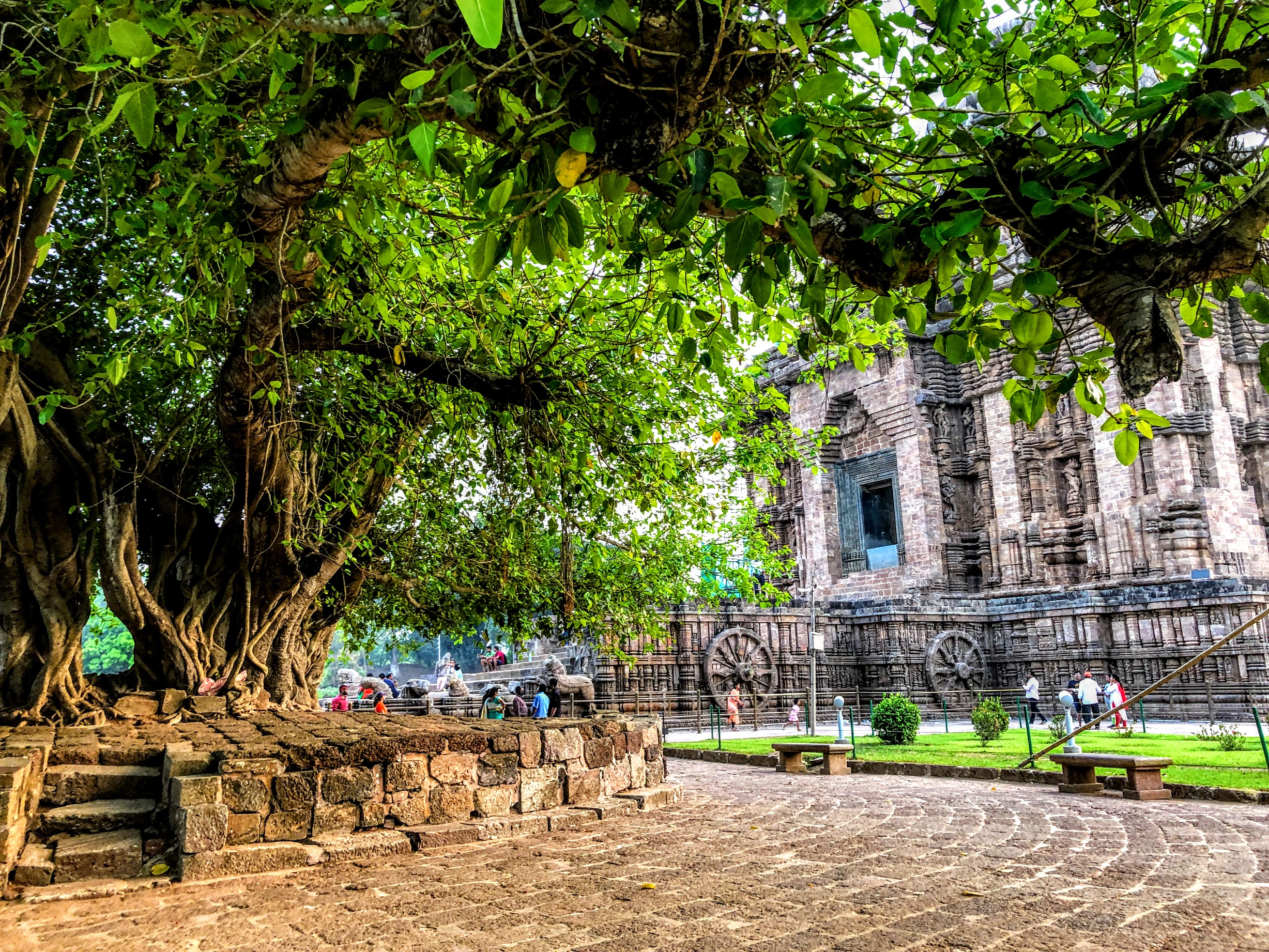
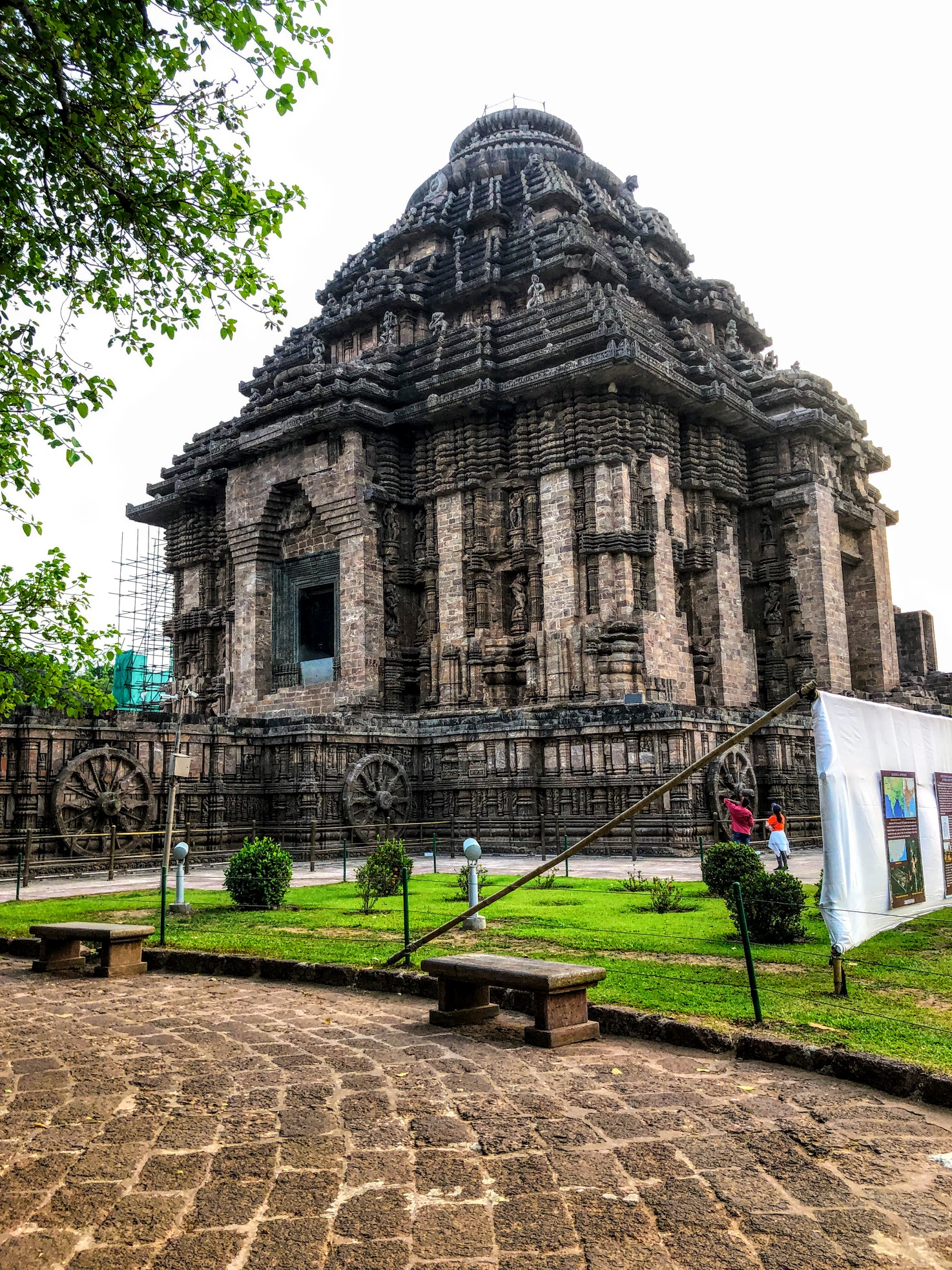
This was the vista that greeted us as we approached the entrance. I was enchanted. We made the decision to engage an English-speaking guide without hesitation. I’d say it was well worth the money. The temple was built about 1250 CE by King Narasimhadeva I of the Eastern Ganga Dynasty.

The temple is a work of art in both art and geometry. The huge chariot design is one of the most spectacular aspects of its construction. The entire building is structured in such a way that it appears to be pulling a single chariot. The king’s authority and dominion are emphasized by the enormous stone lions at the front entryway.
Konark’s Geometry is one of its most perplexing aspects. The temple’s main entrance faces east. However, it is slightly slanted towards the east, so that the first rays of sunshine illuminate the main entrance first, followed by the other section. When the temple was newer, it had several functional sections. However, with time, the structural functions warped and disappeared. Some of them are still visible, such as the Inner Sanctum, which is richly ornamented with stone sculptures.
Legends describe a load-stone on top of the Sun temple. Due to its magnetic effects, vessels passing through the Konark sea were drawn to it, resulting in heavy damage. Other legends state that the magnetic effects of the load stone disturbed ships’ compasses so they did not function correctly. To save their shipping, the Portuguese voyagers took away the load-stone, which was acting as the central stone and keeping all the stones, and the iron columns used to hold the walls together, of the temple wall in balance. Due to its displacement, the temple walls lost their balance and eventually fell down.

There are two identical statues outside the temple. The sculptures depict a lion smashing an elephant and the elephant crushing a man. In this case, the lion denotes authority and the elephant represents prosperity. The artwork depicts the fundamental issue that man faces in his life, which is money and power.

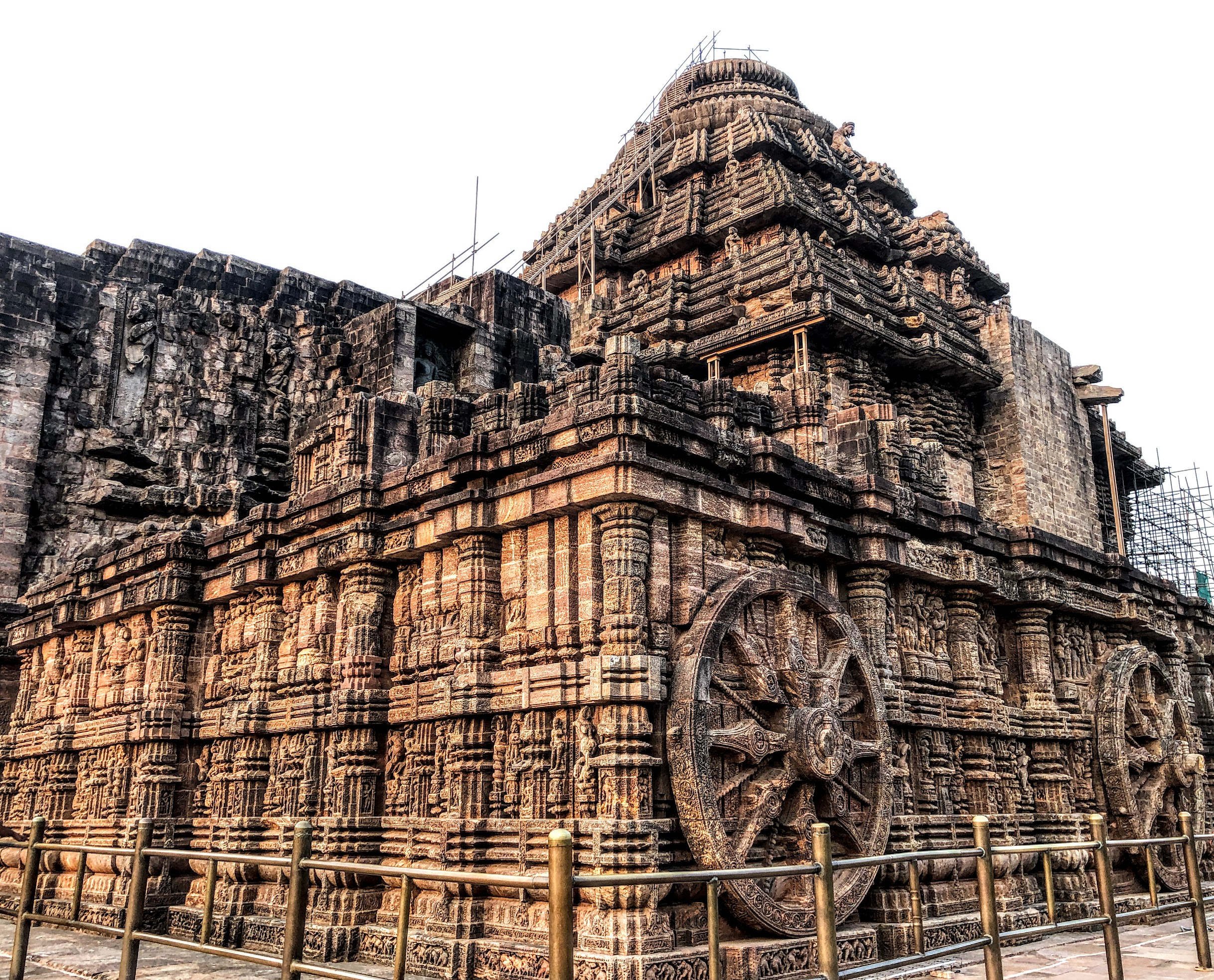
The Konark Sun Temple’s 12 stone-carved wheels depict the 12 months of the year. These wheels, which are located at the temple’s base, also display the time. The wheel’s spokes create the shape of a sundial. The time of day may be determined by observing the shadow generated by the wheels.
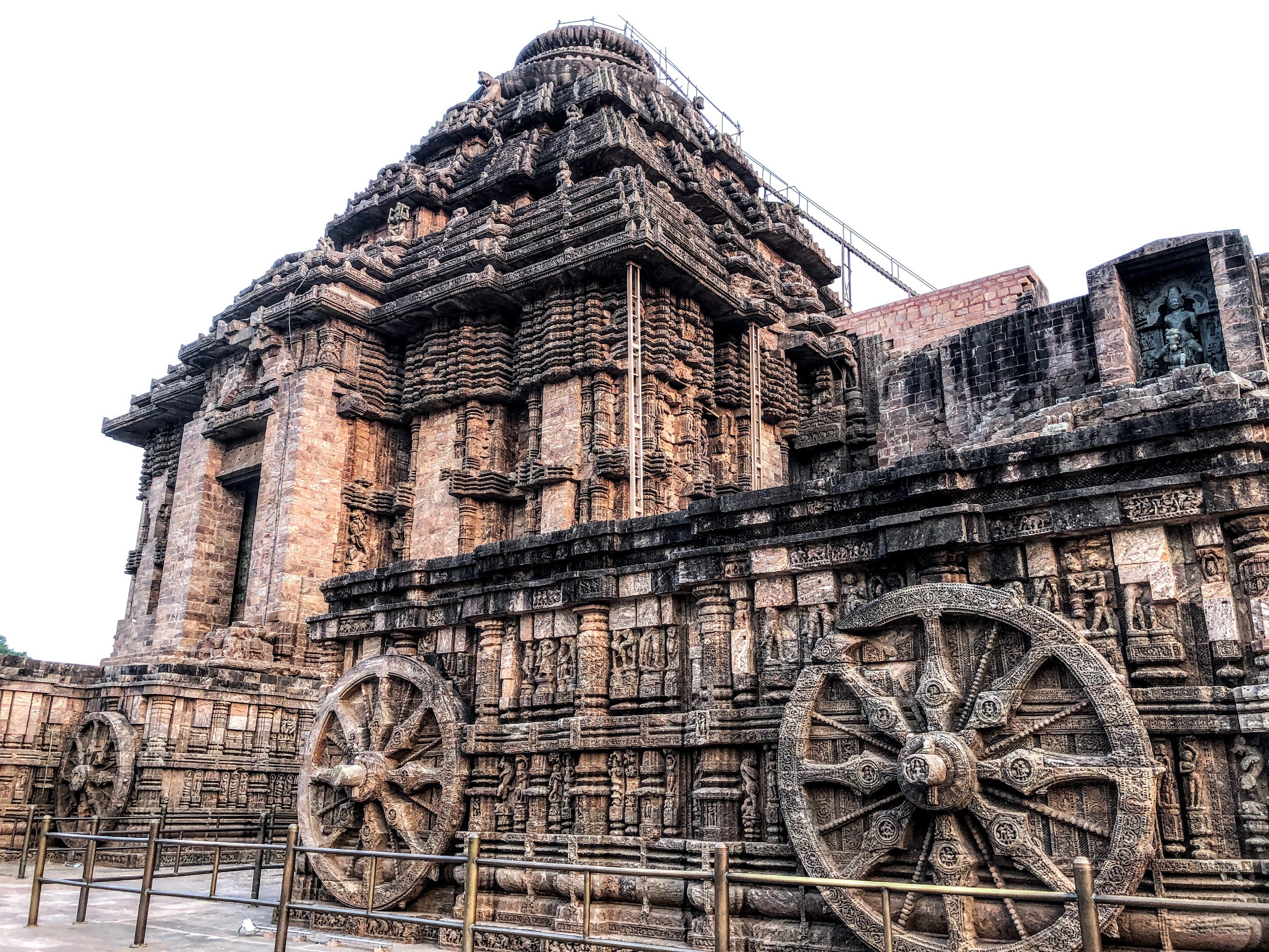
The wheel has a total of eight spokes. Each spoke corresponds to a pahar (3 hours). Eight spokes signify a 24-hour period. When the sun’s rays fall on it, the shadow of the spokes reveals the time. Prior to the invention of watches, this was the method used to compute time.
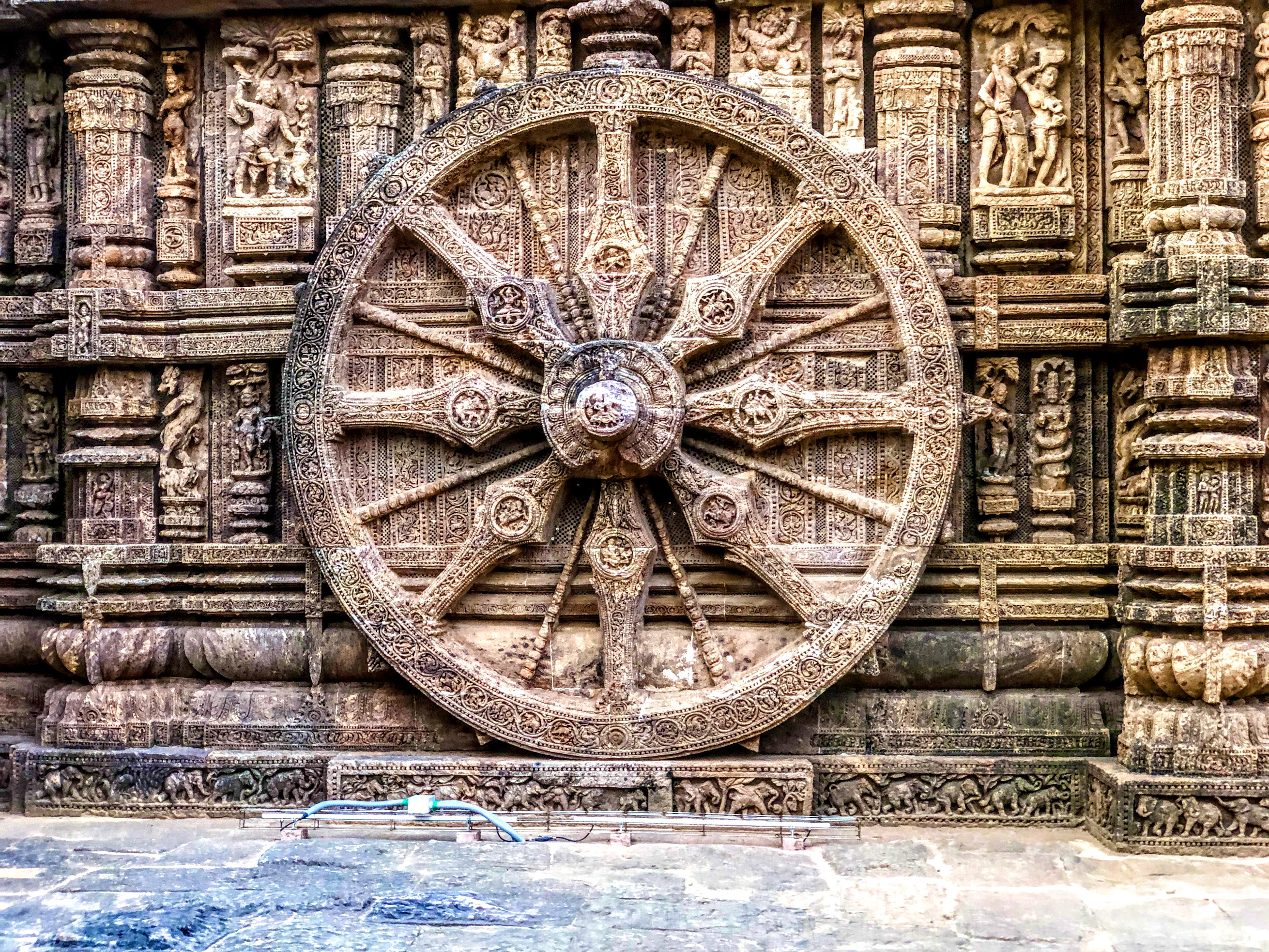
The image on our Ten Rupee Note


Three large and beautifully crafted statues of the sun deity adorn the temple’s three sides. These are the three manifestations of Lord Bramha, Lord Vishnu, and Lord Shiva.
We have Brahma titled ‘Mitra’ on the southern walls (Morning Sun or Rising Sun). On the western sidewall, we find Shiva, the second image of the Sun God, known as ‘Punsan,’ who is shown as the Madhyana Surya (Mid-day Sun) in full force and essence. The northern sidewall is dubbed ‘Haritasva’ (Evening Sun or Setting Sun). Lord Vishnu is associated with the figure, which is characterized as a protector.

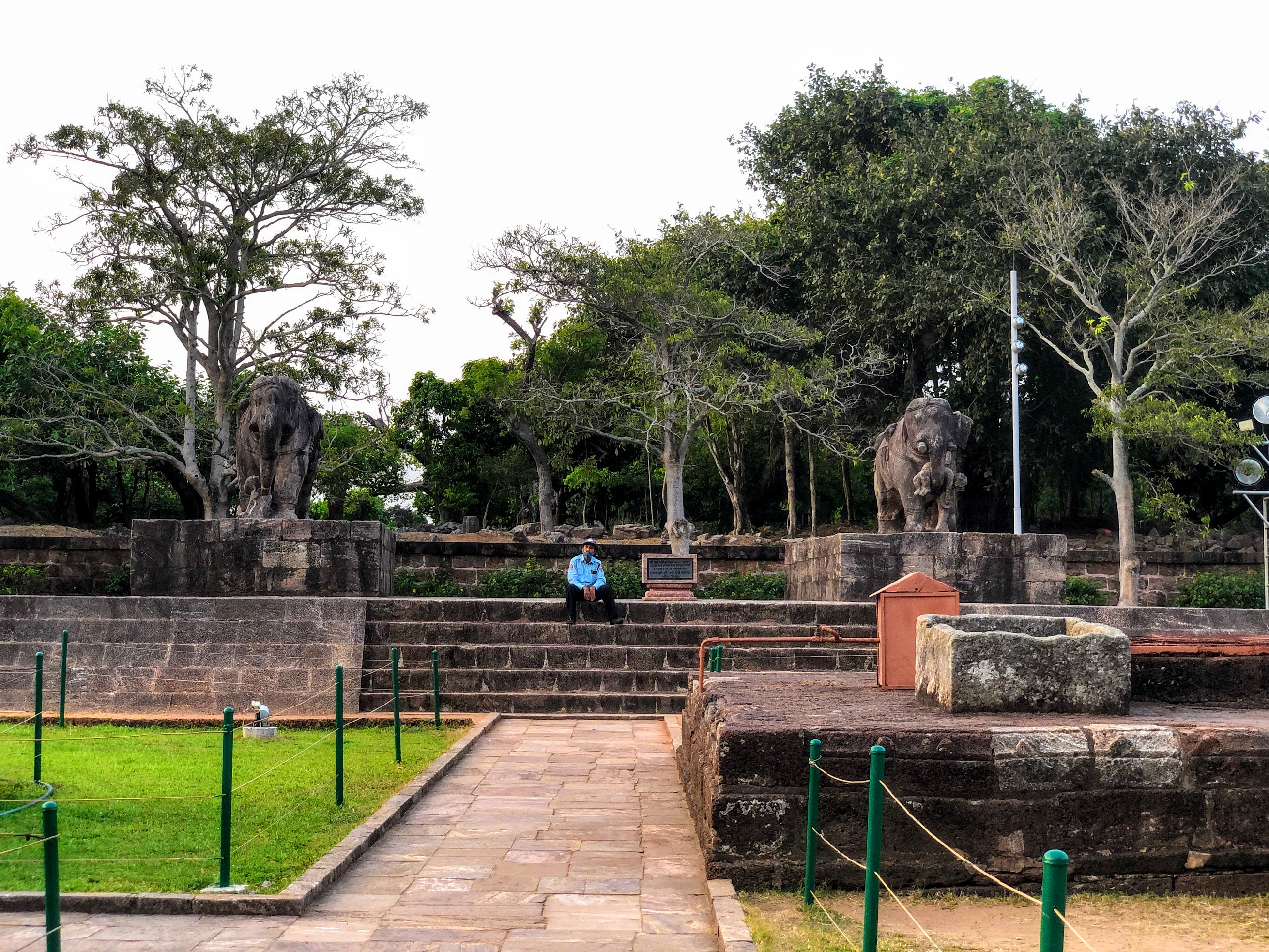




We returned to Puri at 530-600 PM after admiring the timeless classic.
Outside, it was pitch black, and the roads were deserted. The same scenic stretch with trees on one side and the ocean on the other appeared haunting with the sounds of waves breaking across the beach. For the entire 50-kilometer distance, I had only one MH car for the company. We didn’t talk, but we continued at the same pace till we reached the outskirts of Puri. It was one of those terrifying drives. Though the spectacle in the evening was one to behold and it would be a pleasure to drive these roads, it is better to travel this road during the mornings.
We dined at one of the adjacent eateries. It was absolutely vacant once more. We finished our meal, returned to our accommodation, and called it a day.
 Varun's Travel Diaries
2 thoughts on “Odisha Road Trip – Konark”